
Introduction
In the summer of 1545, whilst England trembled under the iron rule of King Henry VIII, something unprecedented occurred in the Tudor court. Catherine Parr, the king’s sixth and final wife, achieved what no English queen had dared before: she published a book under her own name whilst still married to the monarch. Prayers or Meditations wasn’t merely a literary curiosity but a bold statement that would reshape how we understand queenly power and female agency in Tudor England.
This remarkable achievement came at one of the most dangerous periods in Henry’s reign, when religious tensions ran high and the king’s paranoia had reached fever pitch. Yet Catherine Parr, often remembered merely as ‘the one who survived’, demonstrated extraordinary courage and intellect by entering the public sphere as an author. Her work became so popular that it required multiple reprints, establishing her as not only a religious thinker but a commercial success in an age when women’s voices were systematically silenced.
The story of Catherine Parr’s groundbreaking publication reveals a complex woman who navigated the treacherous waters of Tudor politics whilst simultaneously advancing Protestant reform and championing women’s education. Understanding this pivotal moment illuminates not only Catherine’s character but the broader religious and cultural transformations occurring in sixteenth-century England.
Historical Background
Catherine Parr arrived at Henry VIII’s court in 1543, already a twice-widowed woman of considerable education and means. Born around 1512 to Sir Thomas Parr and Maud Green, she had received an unusually comprehensive education for a woman of her era, becoming fluent in French, Latin, and Italian. Her previous marriages to Edward Burgh and John Neville, 3rd Baron Latimer, had provided her with practical experience in managing large households and navigating political complexities, particularly during the Pilgrimage of Grace uprising of 1536.
When Henry chose Catherine as his sixth wife, England was experiencing profound religious upheaval. The king had broken from Rome, dissolved the monasteries, and established himself as Supreme Head of the Church of England. However, his religious settlement remained precarious, with Catholic and Protestant factions vying for influence at court. Catherine’s Protestant sympathies were well-known amongst the educated elite, making her marriage to the increasingly unpredictable Henry a potentially dangerous alliance.
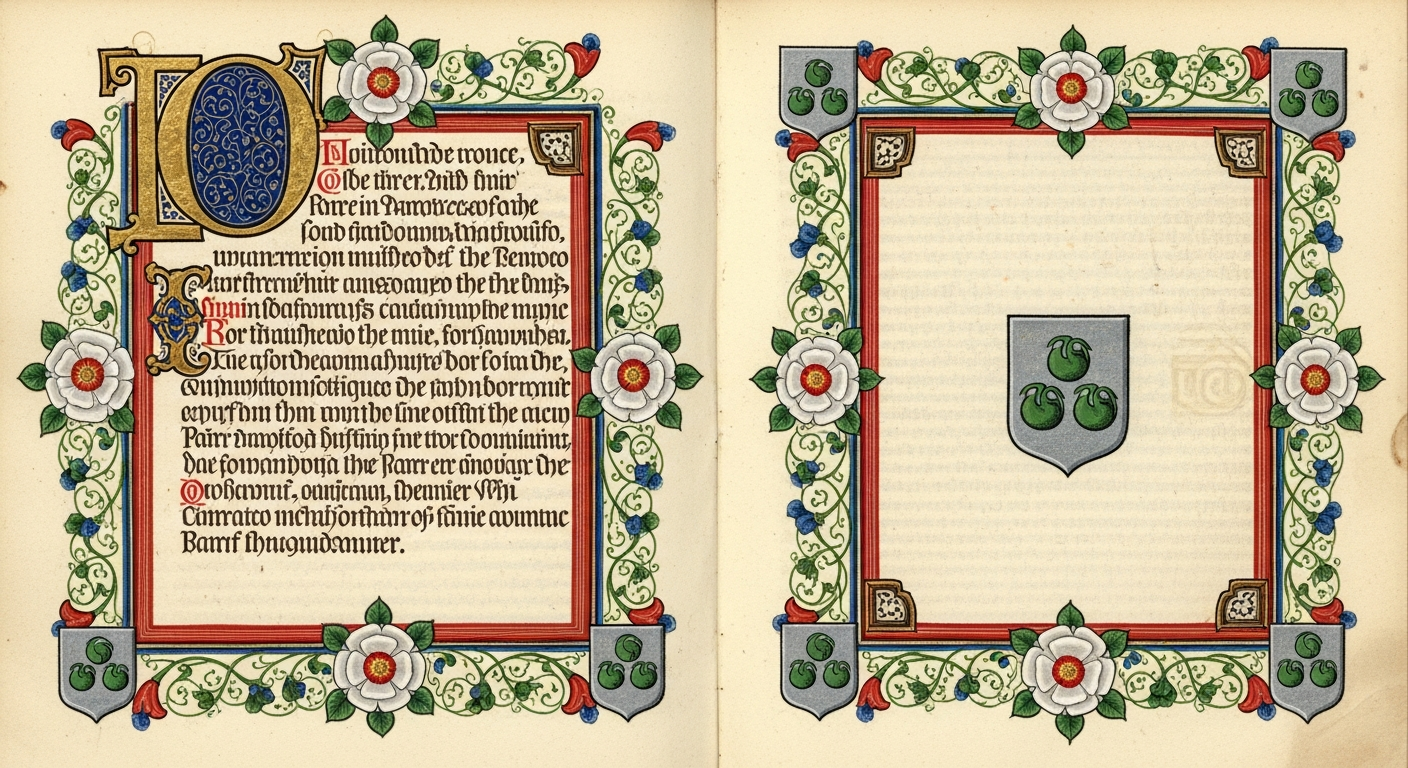
The composition of Prayers or Meditations began during Catherine’s queenship, likely in late 1544 or early 1545. The work reflected her deep engagement with reformed theology whilst carefully avoiding the more controversial aspects of Protestant doctrine that might provoke Henry’s wrath. The full title, Prayers or Meditations, wherein the mind is stirred patiently to suffer all afflictions here, reveals Catherine’s focus on spiritual endurance and patience during tribulation.
The book’s publication in June 1545 by Thomas Berthelet, the king’s printer, was significant in itself. Berthelet’s willingness to publish the work suggests royal approval, or at least tolerance, of Catherine’s literary endeavour. The timing was particularly remarkable given the religious tensions surrounding the Act for the Advancement of True Religion, which had restricted Bible reading and religious discussion amongst the lower classes and women.
Significance and Impact
Catherine Parr’s achievement in publishing Prayers or Meditations represented a seismic shift in the possibilities available to royal women. Previous queens had wielded influence through patronage, intercession, and private counsel, but none had claimed public authority through authorship. By putting her name to a published work, Catherine established herself as a religious voice with authority extending beyond the confines of court, reaching ordinary English subjects who purchased and read her book.
The work’s commercial success proved equally significant. The need for multiple reprints demonstrated that there was substantial public appetite for religious writings by women, challenging contemporary assumptions about female intellectual capacity. Catherine’s success opened doors for other women writers, contributing to what scholars now recognise as a gradual expansion of women’s participation in public religious discourse during the later Tudor period.
From a religious perspective, Prayers or Meditations advanced Protestant theology whilst maintaining careful diplomatic balance. Catherine emphasised personal relationship with God, the importance of scripture reading, and the concept of salvation through faith rather than works. However, she presented these ideas through the relatively safe medium of devotional prayer rather than doctrinal argument, allowing Protestant ideas to circulate without directly challenging established church hierarchy.
The political implications were equally profound. Catherine’s public authorship demonstrated that Henry’s final queen possessed independent intellectual authority, subtly shifting perceptions of queenly power. This was particularly significant given Henry’s previous treatment of wives who had challenged or disappointed him. Catherine’s successful navigation of these dangerous waters suggested a sophisticated understanding of how to exercise influence whilst avoiding the fatal mistakes of her predecessors.
Connections and Context
Catherine Parr’s literary achievement occurred against the backdrop of broader European reform movements and England’s ongoing religious transformation. The year 1545 marked a crucial period in Henry’s reign, with England engaged in expensive wars against France and Scotland whilst grappling with internal religious divisions. Catherine’s emphasis on patience and endurance during afflictions resonated with subjects facing economic hardship and religious uncertainty.
Her work also connected to the broader Renaissance humanist tradition that emphasised education and scholarly achievement. Catherine’s court became a centre of learning, where she promoted the education of Henry’s daughters, Mary and Elizabeth, as well as other noble children. Elizabeth’s own later achievements as a scholar and author can be traced directly to Catherine’s influence and example.
Did you know that Catherine Parr’s stepchildren included the future Lady Jane Grey? Catherine’s commitment to educating young women had far-reaching consequences, as Jane Grey would later demonstrate formidable scholarship before her tragic reign and execution. This network of educated women created by Catherine’s influence would continue to shape English intellectual life long after Henry’s death.
The book’s publication also coincided with significant developments in English printing and literacy. The expansion of printing presses and growing literacy rates amongst the merchant classes created new opportunities for authors to reach wider audiences. Catherine’s success contributed to the gradual democratisation of religious discourse, moving theological discussion beyond the exclusive preserve of university-educated clergy.
Modern Relevance and Fascinating Details
Catherine Parr’s groundbreaking achievement continues to resonate with contemporary discussions about women’s voices and authority. In an age when female authors still face challenges in achieving recognition and commercial success, Catherine’s story reminds us that women have always fought for the right to participate in public intellectual discourse. Her careful navigation of political dangers whilst maintaining her principles offers lessons for modern women seeking to balance professional achievement with personal safety.
Recent historical scholarship has revealed fascinating details about Catherine’s writing process. Evidence suggests she worked closely with her chaplains and other Protestant reformers, creating what amounted to an informal theological circle at court. This collaborative approach challenges traditional notions of solitary authorship whilst highlighting Catherine’s skill in building intellectual networks that supported her work.
The survival rate of Catherine’s book provides intriguing insights into sixteenth-century reading habits. Multiple editions and numerous surviving copies suggest the work was cherished by readers, passed down through families, and consulted regularly rather than merely collected. Some surviving copies contain marginal notes and annotations, revealing how ordinary readers engaged with Catherine’s theological ideas and applied them to their own spiritual lives.
Popular culture has largely overlooked Catherine’s literary achievements, focusing instead on her role as Henry’s surviving wife. However, historical fiction authors increasingly recognise the dramatic potential in Catherine’s story, particularly the tension between her public success and private danger. Her achievement offers rich material for exploring themes of intellectual courage, religious conviction, and female agency in patriarchal societies.
Historical Fiction Link
Catherine Parr’s second book, The Lamentation of a Sinner was a wholly original work, actually a three-part sequence of reflections, published in November 1547, after her husband’s death. Its publication was partly sponsored by her friend, Catherine Brandon, The Duchess of Suffolk. This work is referenced in my novella, “Restitution: Fire and Fury“ It may have had a significant influence on the thinking of her stepson, the young Edward Tudor, future King Edward VI.
Conclusion
Catherine Parr’s publication of Prayers or Meditations in June 1545 represents far more than a historical curiosity. Her achievement as England’s first queen to publish under her own name marked a pivotal moment in the evolution of female authority and public voice. Through careful political navigation and genuine intellectual merit, Catherine created new possibilities for women’s participation in religious and cultural discourse whilst contributing meaningfully to England’s ongoing religious transformation.
The enduring significance of Catherine’s achievement lies not only in her personal courage but in the broader changes she helped initiate. Her success paved the way for future generations of women writers and thinkers, whilst her emphasis on education created lasting impact through her influence on Elizabeth I and other prominent women of the era. For modern readers seeking to understand the complex negotiations required for women to claim public authority, Catherine Parr’s story offers both inspiration and sobering reminder of the risks involved in challenging established power structures. Her legacy invites us to reconsider not just what we know about Tudor queens, but how we understand the relationship between gender, authority, and intellectual achievement in early modern England.