
Introduction
In the shadowy corridors of Essex House on 29th January 1601, one of the most audacious plots in English history was taking shape. Robert Devereux, 2nd Earl of Essex, once the golden boy of Elizabeth I’s court and her rumoured favourite, was orchestrating what would become known as the Essex Rebellion. This desperate gamble would transform him from beloved courtier to condemned traitor in a matter of days, marking one of the most dramatic downfalls in Tudor politics.
The secret meetings held that winter day represented the culmination of months of frustration, political miscalculation, and wounded pride. Essex, who had once basked in the queen’s favour and commanded armies in her name, now found himself plotting against the very monarch who had elevated him to such heights. What drove this charismatic nobleman to such desperate measures, and how did his rebellion reshape the final years of Elizabeth’s reign?
This pivotal moment in Tudor history offers fascinating insights into the dangerous world of Elizabethan court politics, the personal relationship between monarch and subject, and the violent consequences of political ambition gone wrong. From the secret planning sessions to the spectacular failure that followed, the Essex Rebellion remains one of the most compelling episodes of Elizabeth I’s long reign.
Historical Background
Robert Devereux, 2nd Earl of Essex, was born into Tudor nobility in 1565, inheriting his title at the tender age of nine. His rise to prominence came through his stepfather, Robert Dudley, Earl of Leicester, who introduced the young man to Elizabeth I’s court in the 1580s. Essex quickly became a favourite of the ageing queen, who was then in her fifties and seemed charmed by his wit, good looks, and youthful energy. By the 1590s, he had become one of the most powerful men in England, commanding military expeditions and wielding considerable influence over royal policy.
However, Essex’s relationship with Elizabeth I began to deteriorate following his disastrous campaign in Ireland from 1599 to 1600. Appointed Lord Lieutenant of Ireland with the mission to crush the rebellion led by Hugh O’Neill, Earl of Tyrone, Essex instead made an unauthorised truce with the rebels and returned to England against the queen’s explicit orders. This act of disobedience resulted in his house arrest and the loss of royal favour that had sustained his political career.
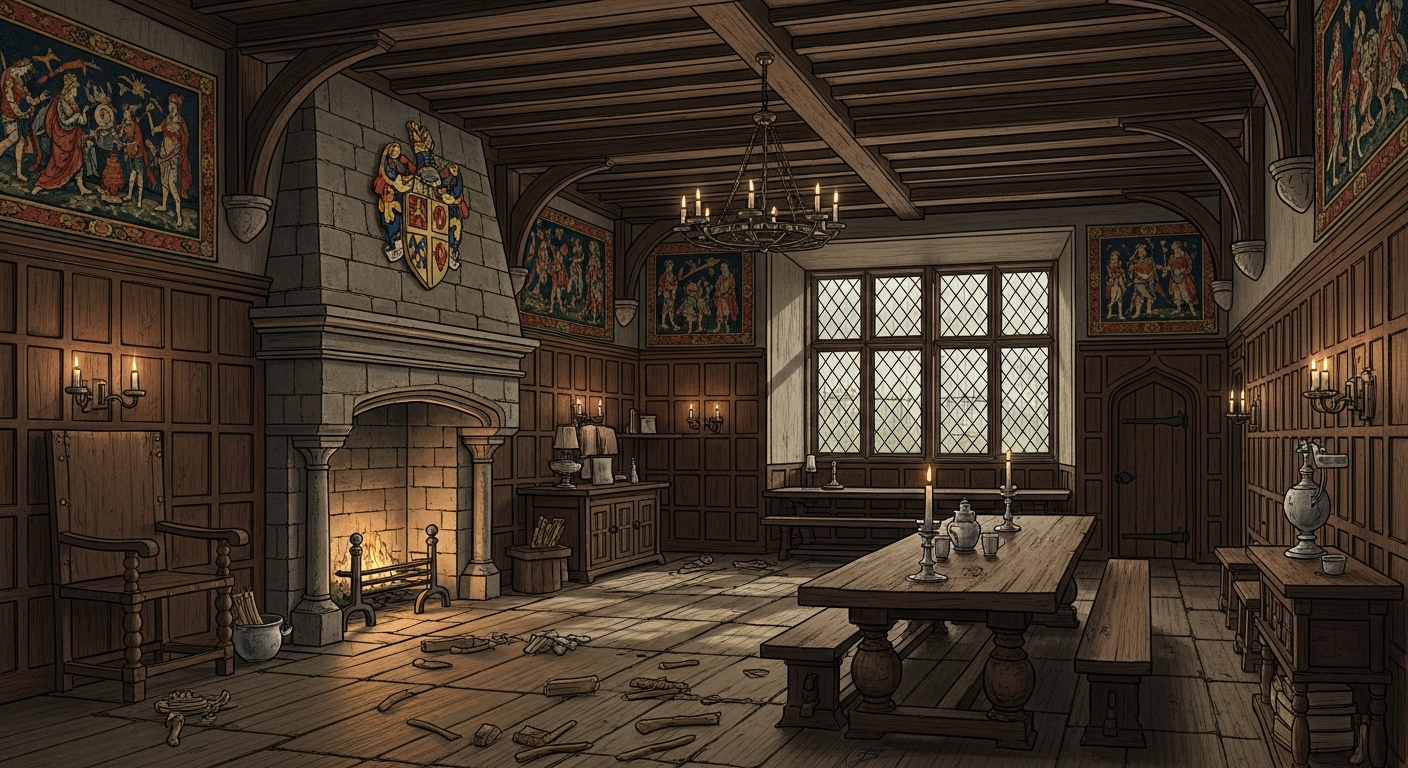
The secret meetings at Essex House on 29th January 1601 brought together a diverse group of disaffected nobles and gentlemen. According to the Calendar of State Papers Domestic, key conspirators included the Earl of Southampton (Shakespeare’s patron), Sir Charles Danvers, Sir John Davies, and approximately 300 supporters. The gathering took place in Essex’s London residence, a grand mansion on the Strand that had become a centre for those opposed to the influence of Sir Robert Cecil and the Cecil faction at court.
The timing was crucial. Elizabeth I was 67 years old, had no designated heir, and the question of succession loomed large over English politics. Essex and his supporters believed they could force the queen to dismiss her current advisers, particularly Sir Robert Cecil, and restore Essex to his former position of influence. The plan involved seizing key locations in London, including the Tower and the royal court, whilst claiming to act in the queen’s best interests against her ‘evil counsellors’.
Significance and Impact
The Essex Rebellion represented far more than a simple power struggle; it marked a fundamental shift in how Tudor monarchs dealt with aristocratic opposition. Unlike previous noble revolts that had clear dynastic or religious motivations, Essex’s rebellion was primarily about personal grievance and court politics. This personalised nature of the conflict highlighted the increasingly centralised nature of Elizabethan government and the dangerous consequences of falling from royal favour.
Paul Hammer’s authoritative study, ‘The Polarisation of Elizabethan Politics’, demonstrates how the rebellion exposed deep factional divisions within the Elizabethan court. The conflict between the Essex and Cecil factions had been simmering for years, representing different approaches to foreign policy, religious matters, and court patronage. Essex’s dramatic attempt to resolve these tensions through force ultimately backfired, strengthening Cecil’s position and eliminating his most significant rival.
The swift failure of the rebellion, which lasted only one day after the 29th January planning sessions, sent shockwaves through Tudor society. When Essex and approximately 200 followers attempted to raise the citizens of London on 8th February 1601, they found no support. The people of London, rather than rallying to Essex’s cause, remained loyal to Elizabeth I. This demonstration of popular support for the queen in her later years proved crucial in maintaining political stability during the uncertain final years of her reign.
The consequences were severe and immediate. Essex was executed on 25th February 1601, just weeks after his secret planning meetings. His death marked the end of an era in Elizabethan politics, eliminating a charismatic figure who had represented a more aggressive, militaristic approach to foreign policy. The rebellion also served as a stark warning to other potential rebels about the futility of challenging Elizabeth I’s authority, even in her advanced years.
Connections and Context
The Essex Rebellion cannot be understood in isolation from other significant events of the late Tudor period. The ongoing Nine Years’ War in Ireland provided the immediate catalyst for Essex’s downfall, whilst concerns about the succession crisis created an atmosphere of political uncertainty that made desperate measures seem more attractive to ambitious nobles. The rebellion occurred during a period when Elizabeth I’s authority was being tested on multiple fronts, from economic difficulties to military challenges abroad.
Interestingly, the rebellion had unexpected connections to the world of Elizabethan theatre. On 7th February 1601, the day before the attempted coup, Essex’s supporters paid the Lord Chamberlain’s Men to perform Shakespeare’s ‘Richard II’ at the Globe Theatre. This play, which depicted the deposition of a monarch, was clearly chosen to inspire potential supporters and create a favourable atmosphere for their cause. Shakespeare’s company was later questioned about this performance, though they escaped serious punishment by claiming they had simply been paid to perform an old play.
The rebellion also highlighted the complex relationship between Elizabeth I and her Irish policies. Essex’s failure in Ireland had been a source of personal humiliation and political embarrassment, contributing directly to his decision to rebel. The ongoing costs and casualties of the Irish campaign had made it increasingly unpopular, and Essex had initially been seen as the military leader who could bring the conflict to a successful conclusion. His failure there, followed by his rebellion, left the Irish problem to be inherited by Elizabeth’s successor, James I.
Modern Relevance and Fascinating Details
The Essex Rebellion continues to fascinate modern audiences because it combines elements of political thriller, personal tragedy, and historical drama that resonate across the centuries. The story of a powerful favourite who overreaches and falls from grace has parallels in contemporary politics, whilst the personal relationship between Elizabeth I and Essex has inspired countless works of historical fiction and popular culture, from films to novels to television series.
Did you know that Essex’s final letter to Elizabeth I, written just before his execution, still survives in the National Archives? In it, he begs for her forgiveness whilst acknowledging the justice of his sentence, providing a poignant glimpse into the final thoughts of a man who had risked everything in a desperate gamble for power. The letter reveals the complex emotions involved in this political and personal tragedy, showing Essex as both proud noble and repentant subject.
Modern historians have also uncovered fascinating details about the practical aspects of the rebellion planning. The secret meetings at Essex House involved detailed discussions about seizing key strategic points in London, including the Tower of London and Westminster Palace. Archaeological evidence from Essex House, combined with contemporary accounts, suggests that the conspirators had access to detailed maps of London and had carefully planned their routes and timing. However, their failure to secure popular support or coordinate with sympathisers at court doomed their enterprise from the start.
Conclusion
The secret meetings at Essex House on 29th January 1601 represent a crucial turning point in Tudor history, marking the beginning of the end for one of Elizabeth I’s most charismatic and controversial courtiers. Robert Devereux’s transformation from royal favourite to condemned traitor illustrates the dangerous volatility of Tudor court politics and the personal costs of political ambition. His rebellion, though brief and unsuccessful, had lasting consequences for the final years of Elizabeth’s reign and the transition to the Stuart dynasty.
Understanding the Essex Rebellion provides valuable insights into the complex world of late Tudor politics, where personal relationships, factional disputes, and questions of royal succession created a volatile mix that could explode into violence with little warning. As we continue to study this fascinating period of English history, the story of Essex’s rise and fall remains a compelling reminder of the human drama that lay at the heart of Tudor politics. For those interested in exploring this topic further, the original state papers and modern scholarly works like Paul Hammer’s detailed study offer rich resources for understanding this pivotal moment in English history.