Arrabella de Nemours: The Enigmatic Beauty Who Captivated Paris

Arrabella de Nemours

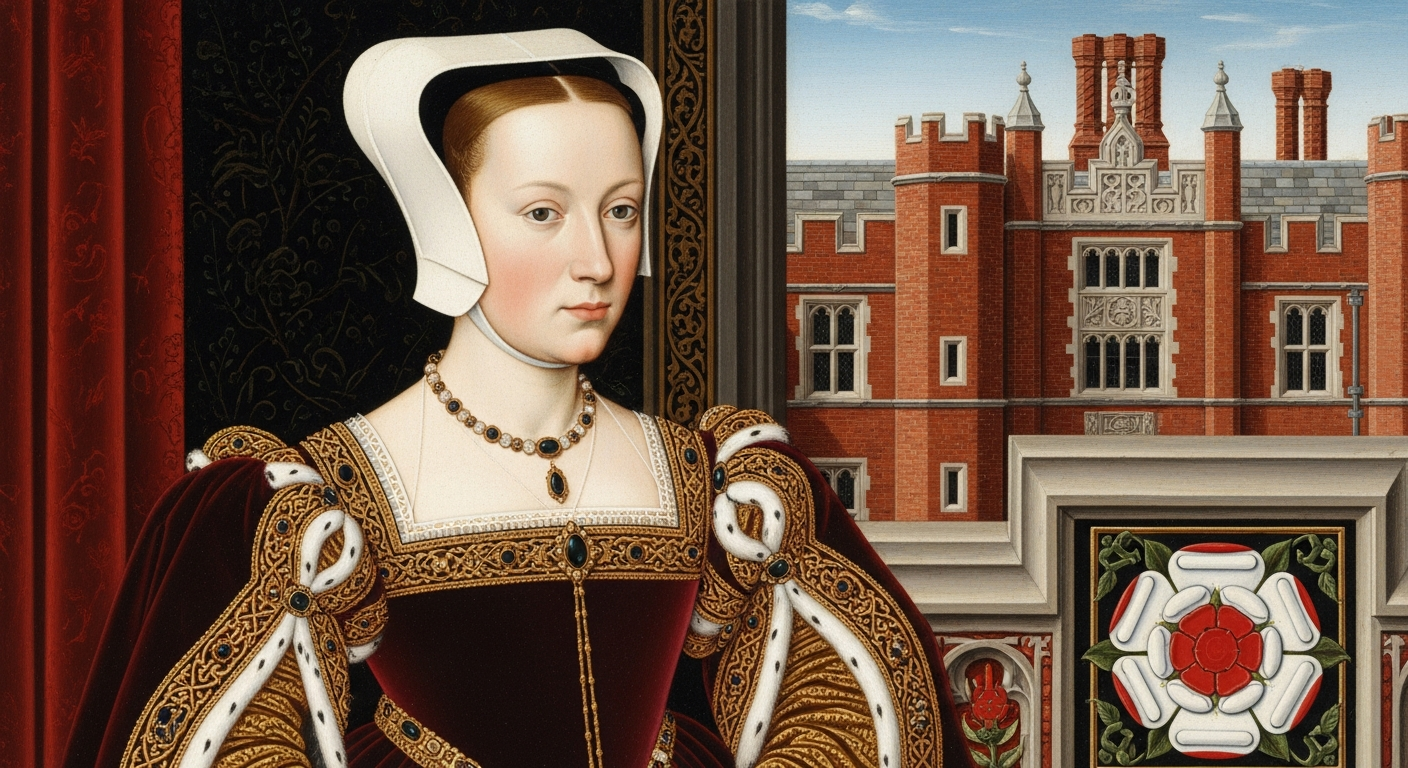
Our correspondent catches up with the mysterious redhead whose charm masked deadly intentions Renaissance Weekly: Arrabella, you’ve certainly made quite an impression during your time in France. Our readers are dying to know – what’s your secret to being so… memorable? She laughs, a tinkling sound that doesn’t quite reach her green eyes. Her fingers … Read more

Excerpt from Resurrection: The Heresy of a Jesuit

From Resurrection: The Heresy of a Jesuit: “They plunged across the stream, man and horse in perfect harmony, galloping for their lives. His tattered and mud-splattered cape streamed behind him, and his breeches bore the scratches and rips that headlong flight through dense woodland had inflicted. And yet, his mind sang with exhilaration that approached … Read more

Excerpt from Divination: A Conspiracy of Blood

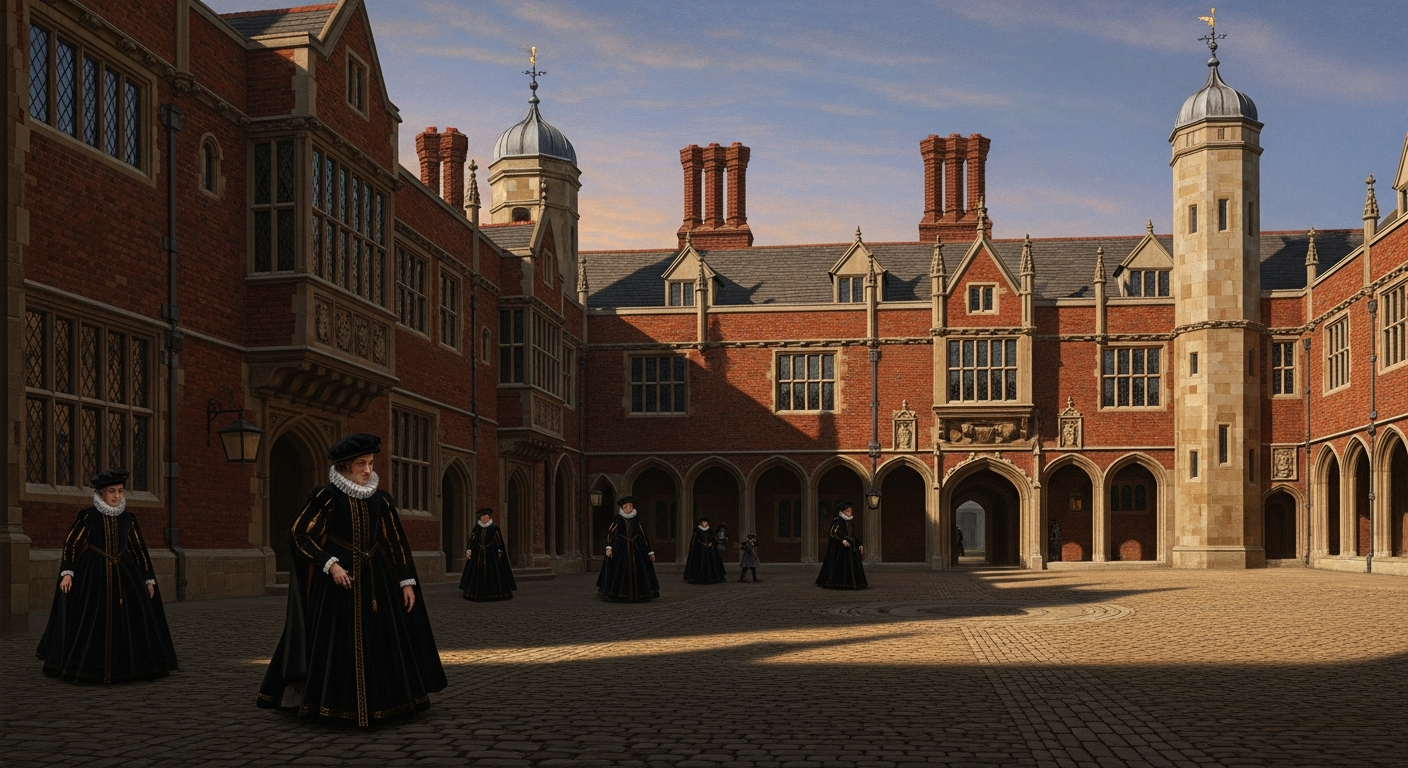
From Divination: A Conspiracy of Blood: “The bruised Cambridge sky threatened to ruin the day of any students unlucky enough to venture outdoors. I’ll be glad when spring finally arrives, thought John Dee, as he hurried across Trinity College courtyard, his scholar’s gown billowing behind him like a sail. He was late, again, and this … Read more

Norwich: Tudor England’s Second City & Textile Revolution

Norwich maintained its position as England’s second largest city throughout most of the Tudor period, with over 12,000 residents by 1579, largely due to an influx of Dutch and Flemish Protestant refugees who established ‘New Draperies’ – innovative lightweight fabric production that revolutionised English textile manufacturing.

Tudor Plymouth: From Fishing Village to Major Port Power

Tudor Plymouth boomed from a modest fishing village of roughly 1,500 souls in 1500 to a bustling town of around 7,000 by 1600, becoming a major English port rivalling Bristol and others after London, fuelled by the burgeoning Atlantic trade. The Barbican’s quays saw increased merchant activity, with significant harbour improvements noted around 1580.

Henry VIII’s Dissolution Hit Glastonbury Hard in 1539

When Henry VIII dissolved Glastonbury Abbey in 1539, the town’s economy suffered a significant blow, likely leading to a population decline. While the abbey’s closure impacted local employment and pilgrimage trade, the precise extent of the population decrease is difficult to ascertain, though it undoubtedly marked a period of hardship for Glastonbury.