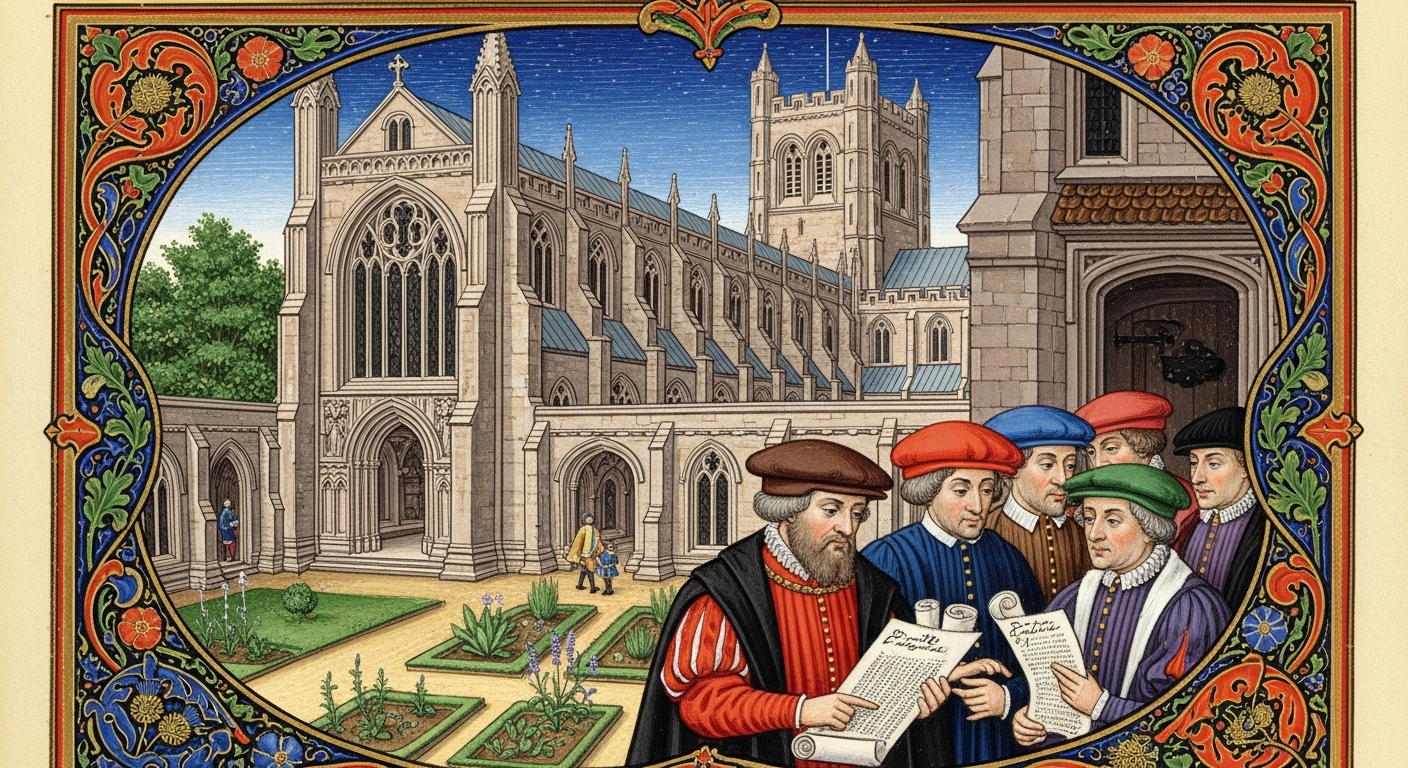
Shakespeare’s Stratford: Tudor Market Town of 1,500 People

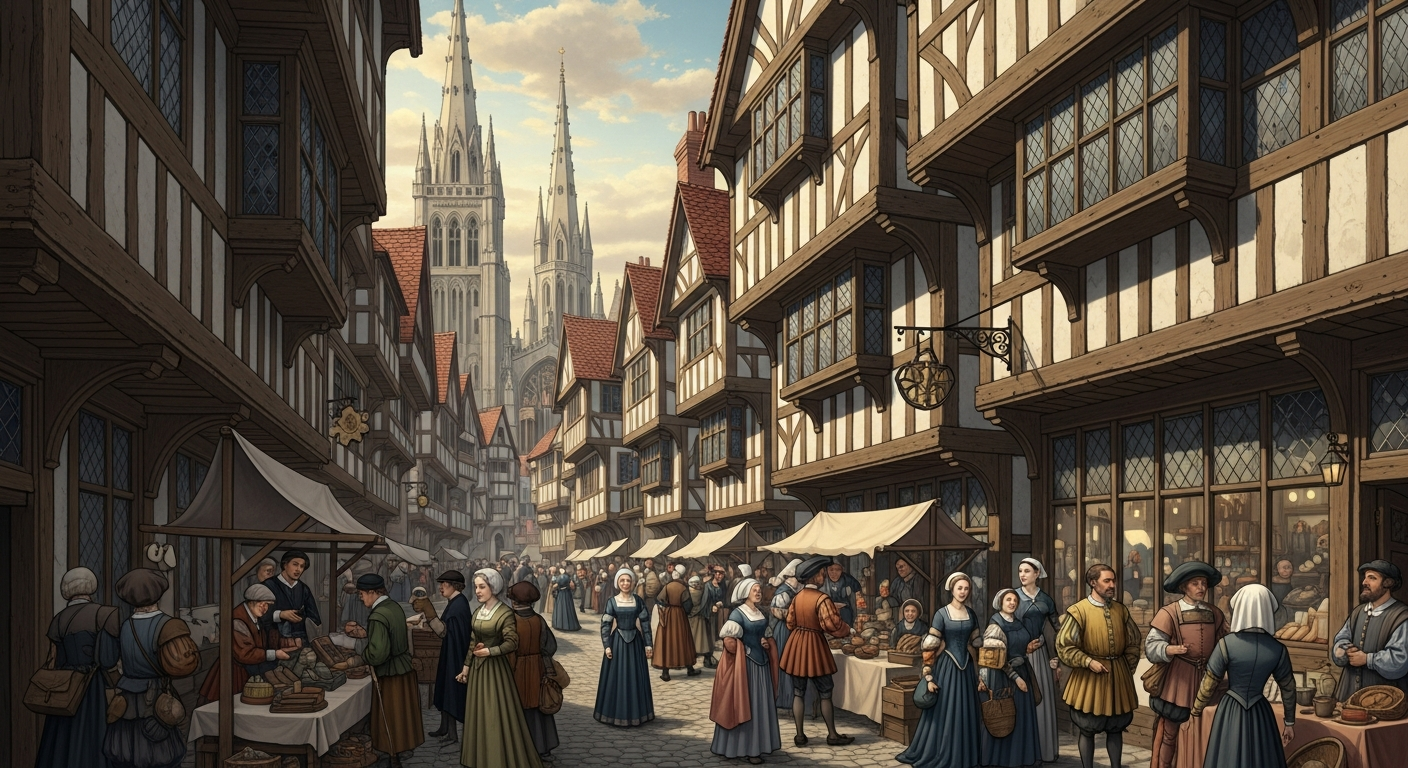
Introduction In 1564, when England’s future greatest playwright drew his first breath in Stratford-upon-Avon, the entire town could have gathered in a single field. With a mere 1,500 residents, this Warwickshire market town was the sort of place where everyone knew precisely which families were thriving, which were struggling, and which had secrets they’d rather … Read more

Chester’s Rows: Tudor England’s First Shopping Galleries

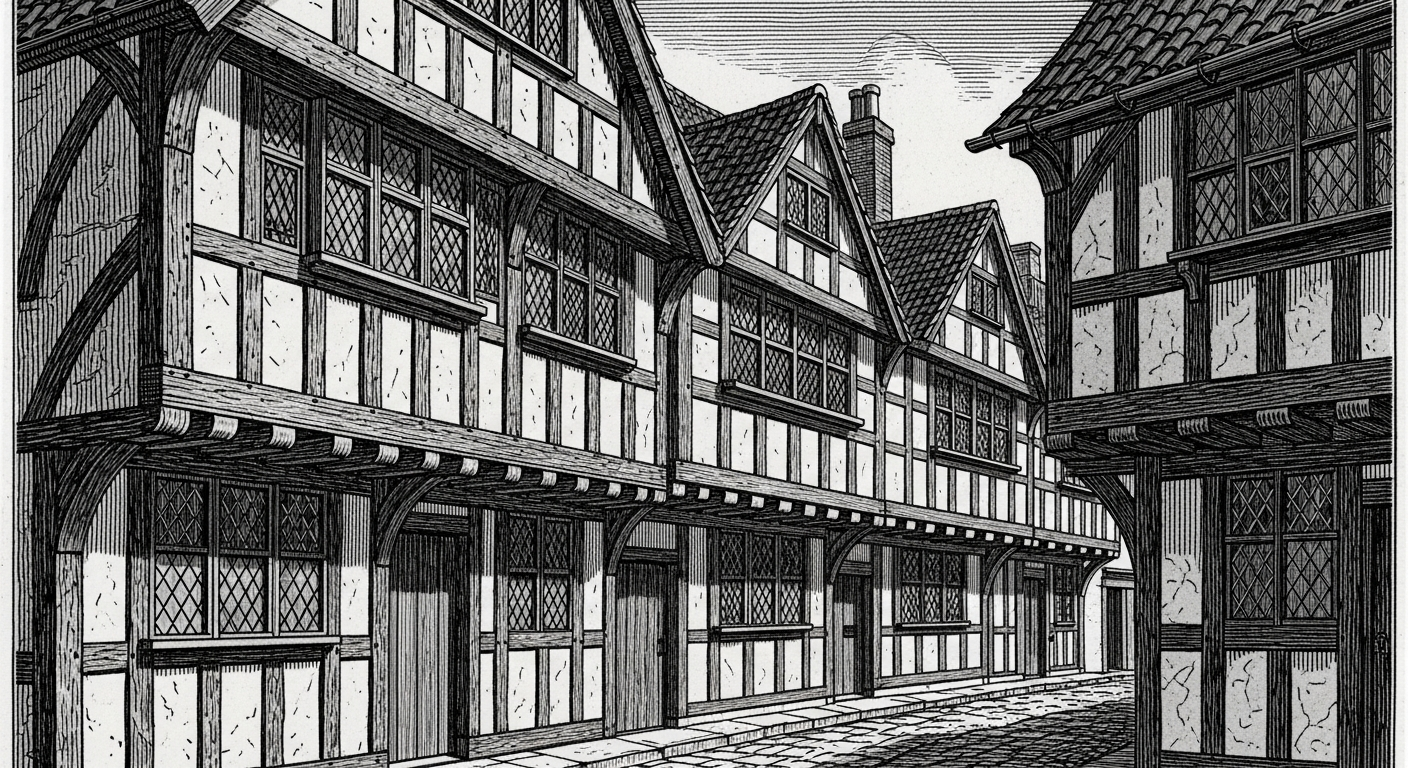
Introduction Imagine strolling through a medieval shopping centre where merchants conducted business on two separate levels, connected by covered walkways that protected both goods and customers from England’s unpredictable weather. This isn’t a modern retail innovation, but rather a 13th-century architectural marvel that thrived throughout the Tudor period in the border city of Chester. Known … Read more

Anne Boleyn’s Hidden Falcon Badges at Hampton Court Palace

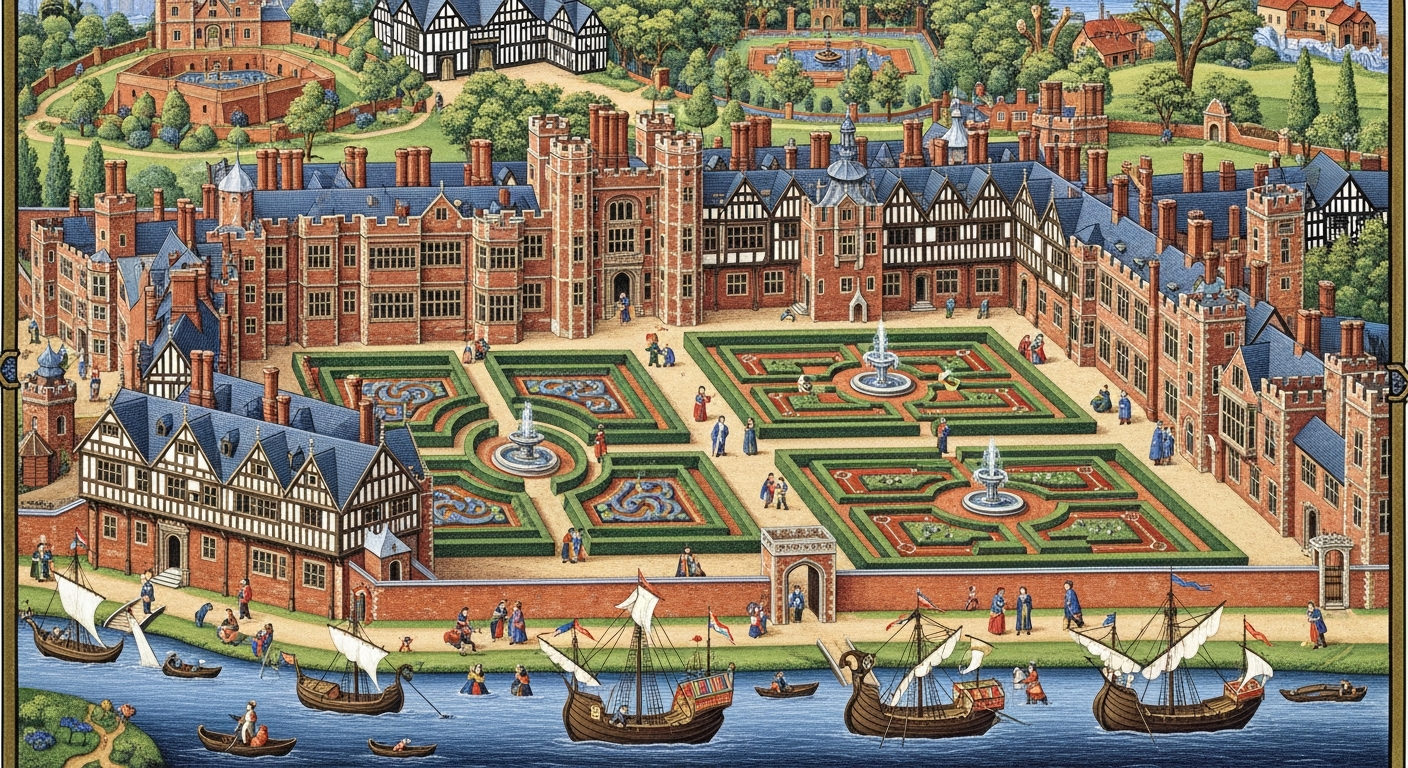
Introduction Hidden beneath layers of sixteenth-century plaster at Hampton Court Palace lie the ghostly remains of Anne Boleyn’s falcon badge, carefully concealed rather than destroyed in the frantic efforts to erase the executed queen from history. These carved emblems, entombed within the palace walls, represent one of Tudor England’s most dramatic attempts at historical revisionism … Read more

Henry VIII’s Codpiece: Royal Power Symbol & Tudor Fashion

Introduction When examining the surviving suits of armour belonging to Henry VIII, one feature immediately commands attention: the dramatically pronounced codpiece that projects boldly from the king’s metal attire. Far from being merely a curious quirk of Tudor fashion, these exaggerated additions to royal armour served as carefully calculated symbols of monarchical power, designed to … Read more

Mary I’s Pomegranate Symbol: Hidden Catholic Faith in Tudor

The Hidden Language of Faith: How the Pomegranate Became a Secret Catholic Symbol in Tudor England In the shadowy world of Tudor religious persecution, where the wrong word could mean death and the wrong symbol could spell disaster, English Catholics developed an extraordinary system of hidden communication. Among the most intriguing of these secret signals … Read more

Essex Rebellion 1601: Elizabeth I’s Favourite’s Fatal Coup

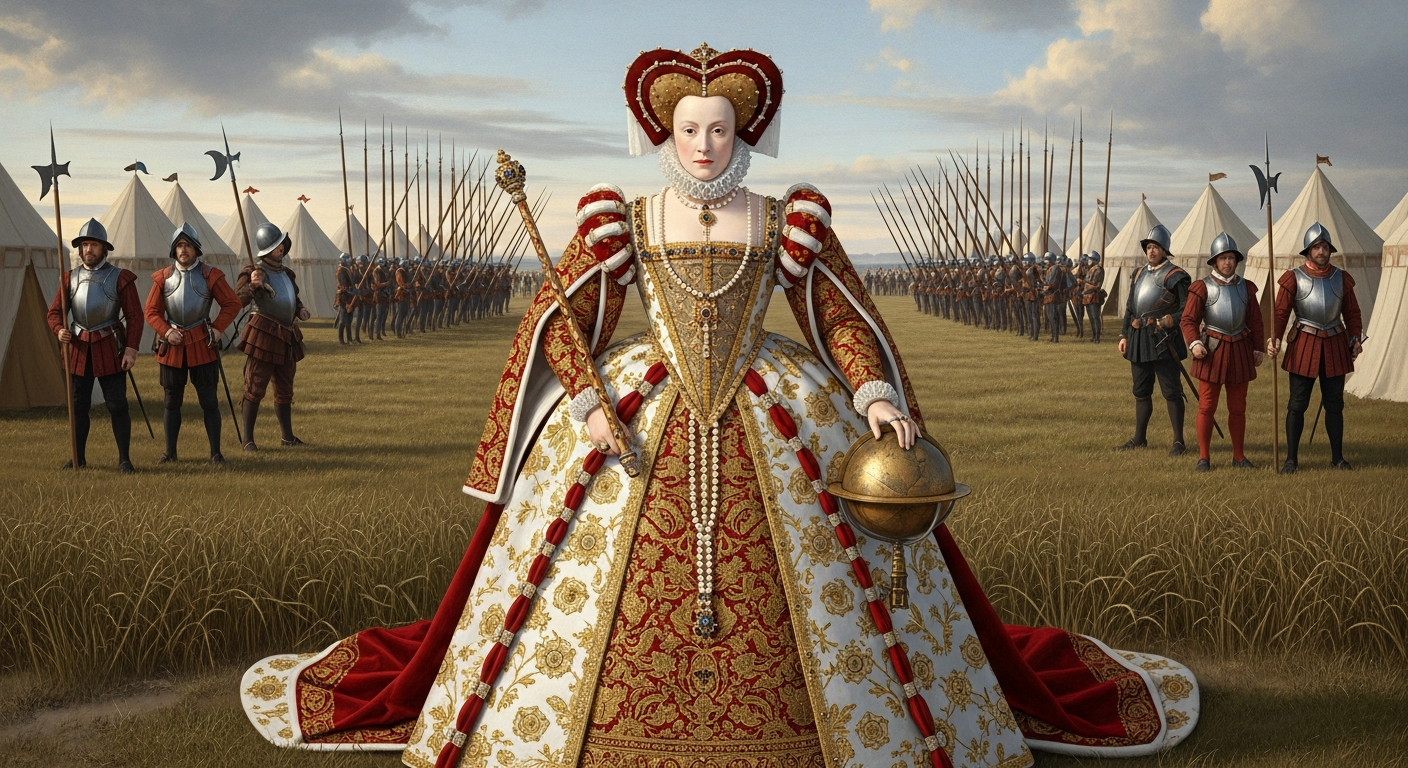
The Day a Favourite Fell: Essex’s Desperate Gamble That Shook Elizabeth I’s Throne On a grey February morning in 1601, the streets of London witnessed one of the most dramatic political catastrophes of Elizabeth I’s reign. Robert Devereux, 2nd Earl of Essex, once the queen’s most cherished favourite, led an armed band of supporters through … Read more

Thomas Seymour Execution 1549: Treason & Elizabeth Scandal

Introduction Few Tudor scandals combined political ambition, sexual impropriety, and attempted regicide quite like the downfall of Thomas Seymour, 1st Baron Seymour of Sudeley. In March 1549, this ambitious courtier faced the executioner’s axe after a spectacular fall from grace that involved an attempted kidnapping of his own nephew, the boy king Edward VI, and … Read more

Catherine Howard Execution: Henry VIII’s Fifth Wife Beheaded

Introduction On a cold February morning in 1542, the Tower of London witnessed one of history’s most tragic executions. Catherine Howard, barely twenty years old, walked to the scaffold where her husband, King Henry VIII, had condemned her to die. Her crime? Concealing previous relationships and allegedly committing adultery after becoming Queen of England. This … Read more