Norwich: Tudor England’s Second City & Textile Revolution

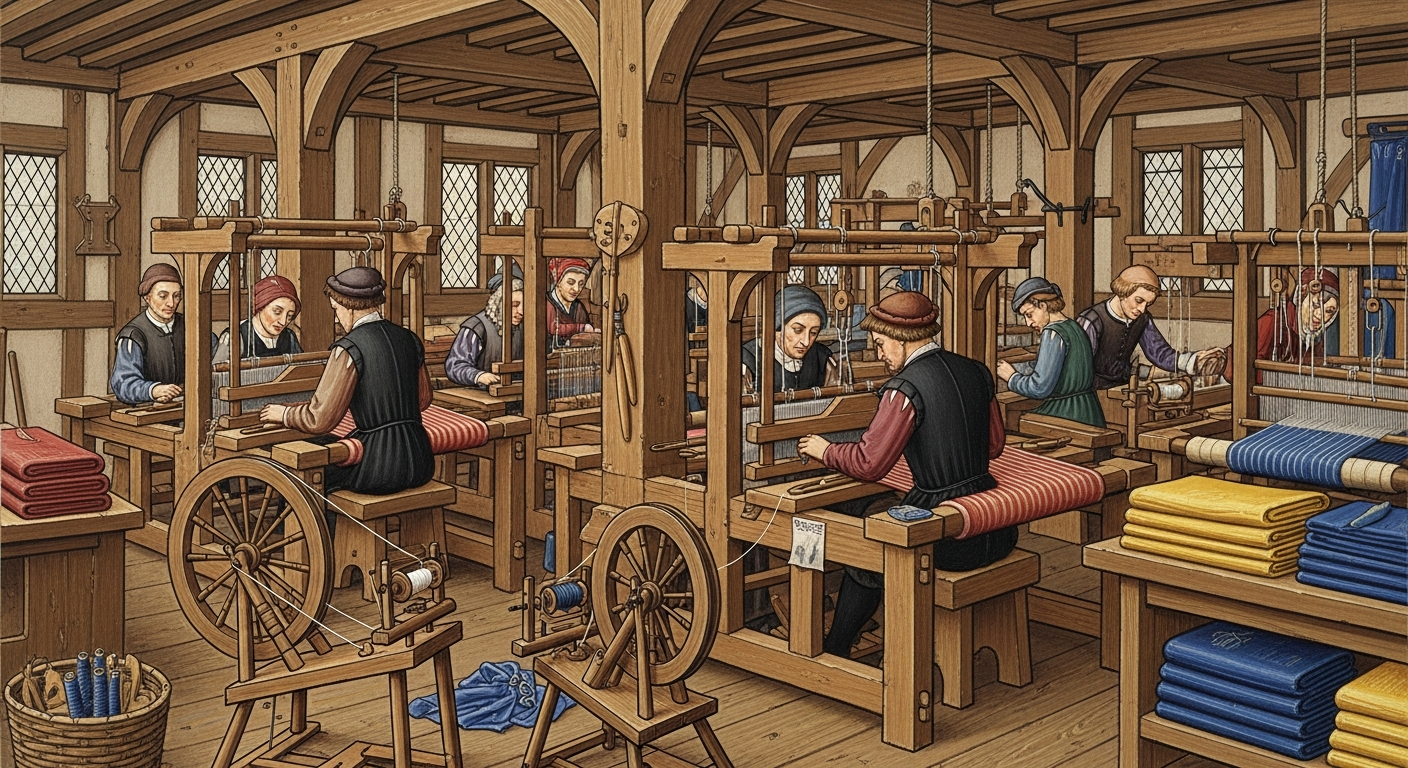
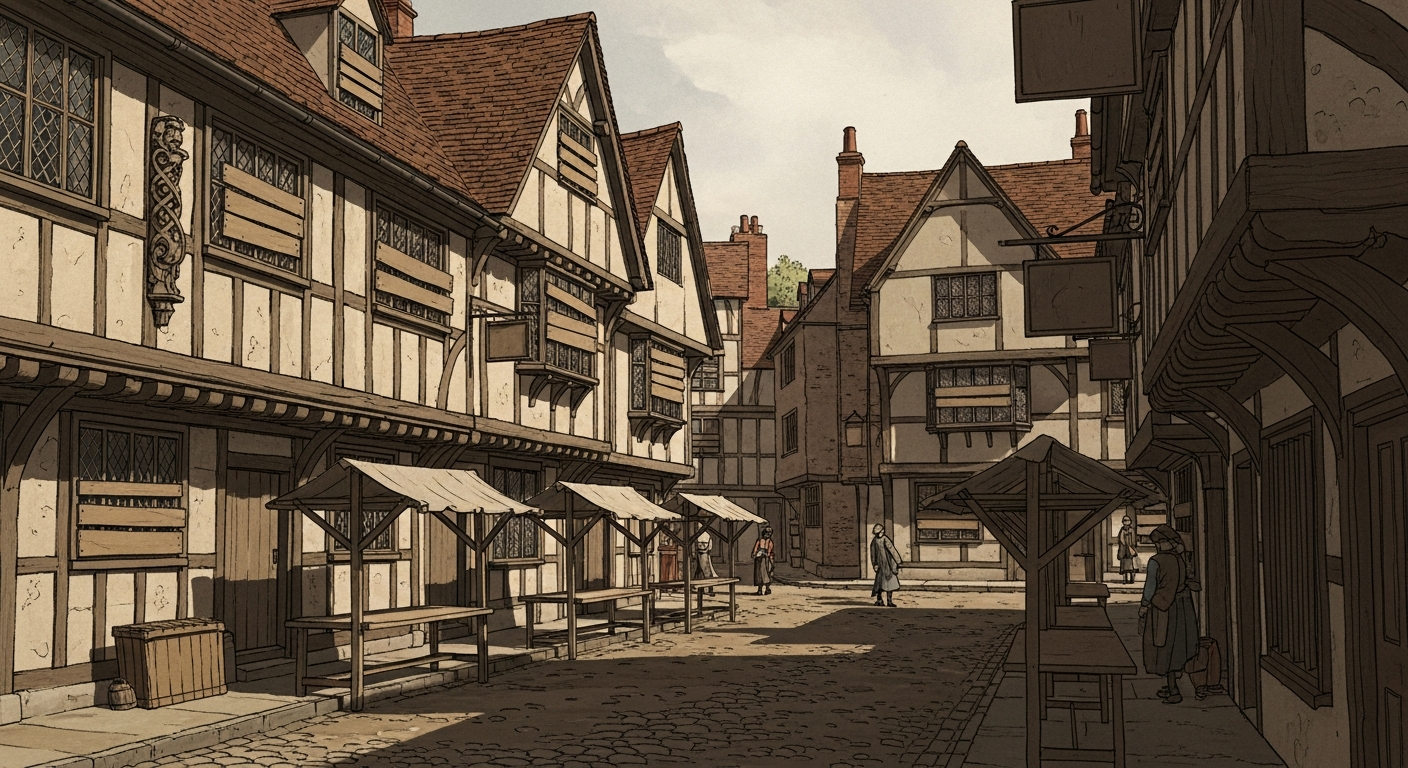
Norwich maintained its position as England’s second largest city throughout most of the Tudor period, with over 12,000 residents by 1579, largely due to an influx of Dutch and Flemish Protestant refugees who established ‘New Draperies’ – innovative lightweight fabric production that revolutionised English textile manufacturing.

Tudor Plymouth: From Fishing Village to Major Port Power

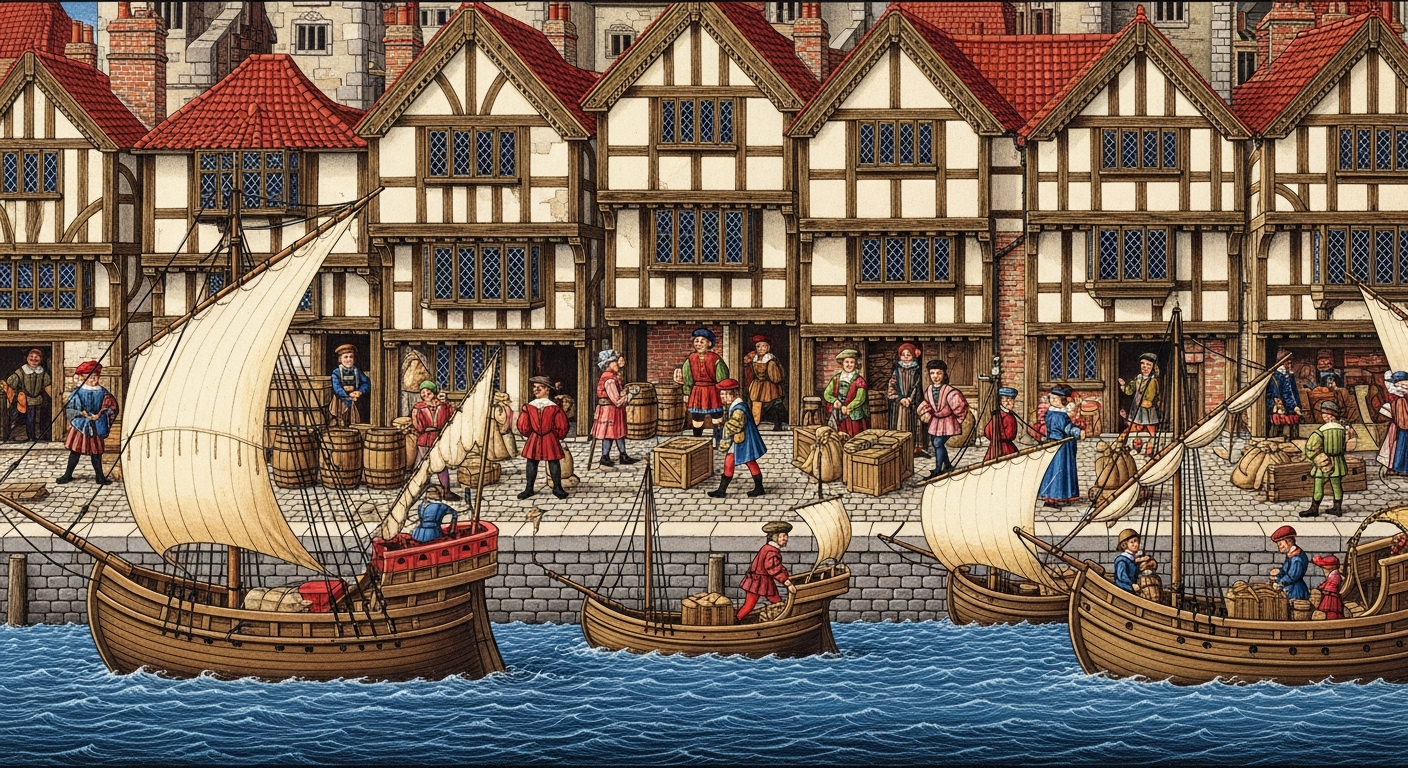
Tudor Plymouth boomed from a modest fishing village of roughly 1,500 souls in 1500 to a bustling town of around 7,000 by 1600, becoming a major English port rivalling Bristol and others after London, fuelled by the burgeoning Atlantic trade. The Barbican’s quays saw increased merchant activity, with significant harbour improvements noted around 1580.

Henry VIII’s Dissolution Hit Glastonbury Hard in 1539

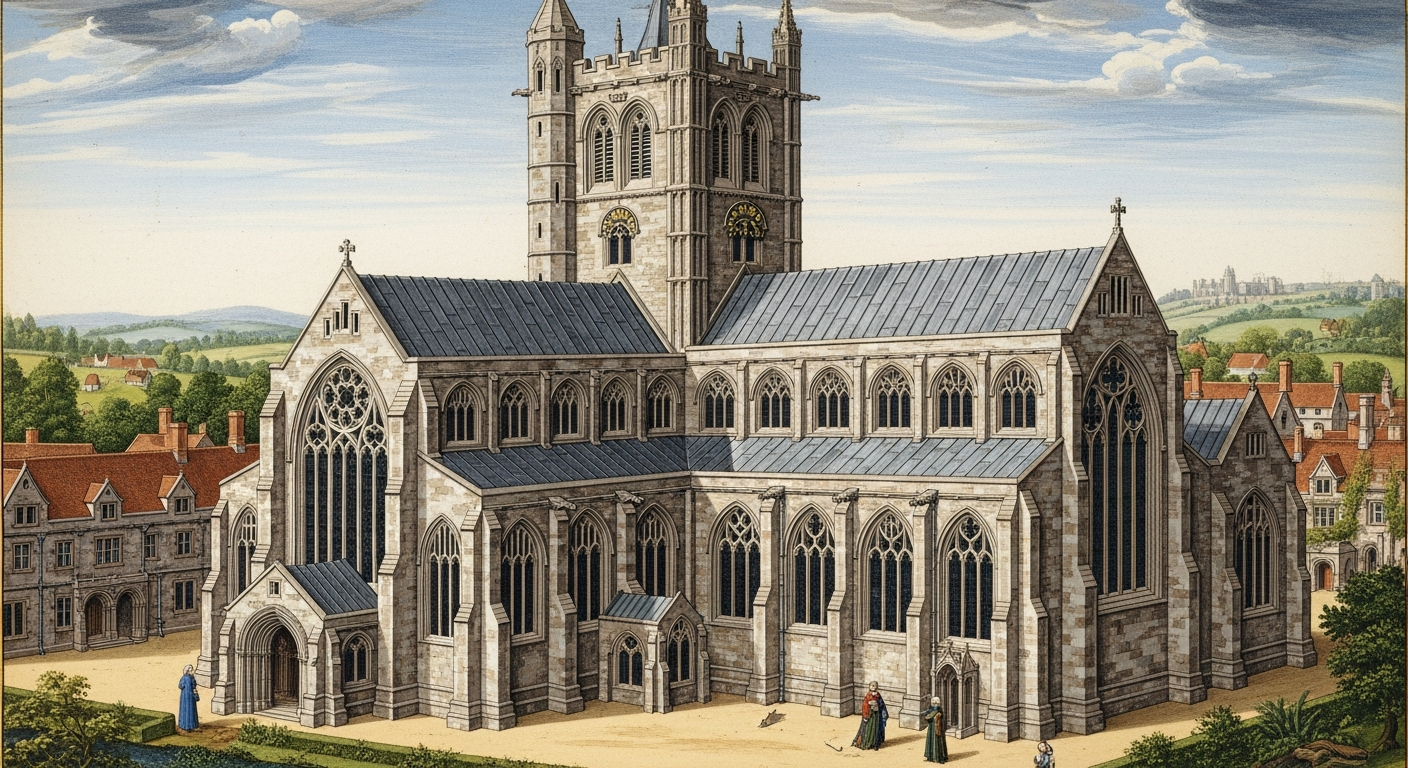
When Henry VIII dissolved Glastonbury Abbey in 1539, the town’s economy suffered a significant blow, likely leading to a population decline. While the abbey’s closure impacted local employment and pilgrimage trade, the precise extent of the population decrease is difficult to ascertain, though it undoubtedly marked a period of hardship for Glastonbury.