
Introduction
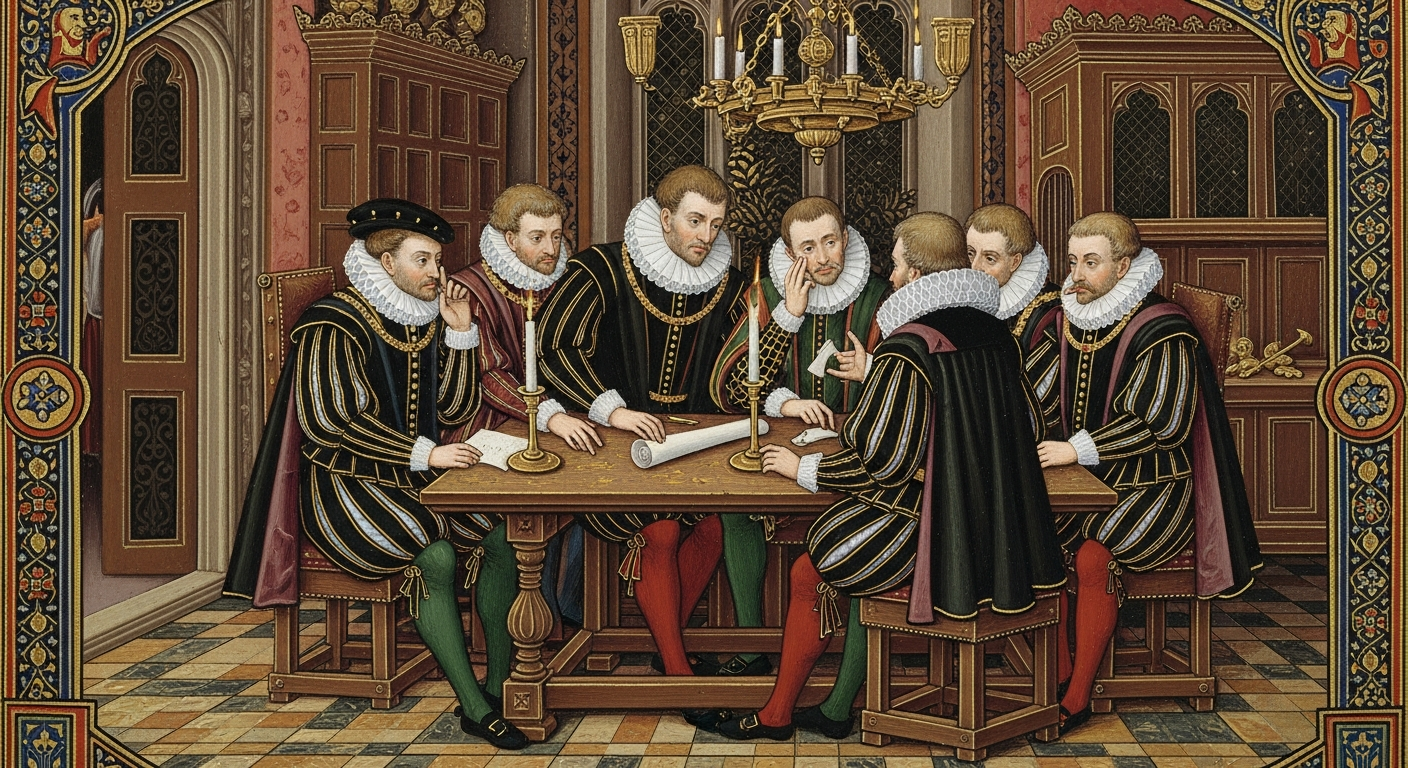
In the flickering candlelight of Essex House on a cold January evening in 1601, one of England’s most celebrated war heroes was plotting the downfall of his own queen. Robert Devereux, 2nd Earl of Essex, once the darling of Elizabeth I’s court and her rumoured favourite, had fallen so far from grace that he was now planning nothing less than a coup against the woman who had made him. The secret meetings held on 11 January 1601 would mark the beginning of the end for this charismatic nobleman, setting in motion events that would see him executed for treason just six weeks later.
The story of Essex’s rebellion represents one of the most dramatic episodes in the twilight years of Elizabeth I’s reign, a period when the ageing Virgin Queen faced unprecedented challenges both at home and abroad. What drove a man who had once been showered with royal favour to such desperate measures? The answer lies in a toxic combination of wounded pride, political miscalculation, and the dangerous dynamics of Tudor court politics.
This remarkable tale of ambition, betrayal, and royal wrath reveals the precarious nature of Tudor political life, where today’s favourite could become tomorrow’s traitor. As we delve into the events of that fateful January day, we’ll uncover the complex web of relationships, rivalries, and revolutionary plans that would ultimately seal Essex’s fate and demonstrate Elizabeth I’s unflinching resolve in the face of treachery.
Historical Background
Robert Devereux, 2nd Earl of Essex, was born into privilege and groomed for greatness from an early age. The stepson of Robert Dudley, Earl of Leicester, Essex had grown up within the inner circle of Elizabeth I’s court. His combination of aristocratic breeding, military prowess, and undeniable charisma had initially endeared him to the queen, who was then in her fifties and perhaps susceptible to the charms of a man young enough to be her son. By the 1590s, Essex had become one of the most powerful men in England, holding positions including Master of the Horse and Earl Marshal.
However, Essex’s relationship with Elizabeth had soured dramatically following his disastrous military campaign in Ireland. Appointed Lord Lieutenant of Ireland in 1599 with the mission to crush the rebellion led by Hugh O’Neill, Earl of Tyrone, Essex had instead negotiated an unauthorised truce and returned to England against direct royal orders. His dramatic entrance into the queen’s private chambers at Nonsuch Palace, catching her without her wig and makeup, had been the final straw in their deteriorating relationship.
The secret meetings of 11 January 1601 at Essex House brought together a disparate group of conspirators united by their dissatisfaction with Elizabeth’s government. According to the Calendar of State Papers Domestic, these gatherings included not only Essex’s immediate circle but also various London citizens and sympathetic courtiers who had grown frustrated with what they perceived as the queen’s failing leadership. The 67-year-old Elizabeth, they believed, was no longer fit to rule, and England needed new direction under different leadership.
Essex House itself, located on the Strand in London, provided the perfect venue for such clandestine activities. The grand mansion, with its numerous rooms and private courtyards, allowed the conspirators to meet without attracting undue attention from the queen’s spies. As historian Paul E.J. Hammer notes in his comprehensive study of Essex’s political career, these January meetings represented the culmination of months of growing discontent and careful recruitment among Essex’s supporters.
Significance and Impact
The planning sessions of 11 January 1601 marked a watershed moment in Elizabethan politics, representing the most serious challenge to royal authority since the Northern Rebellion of 1569. What made Essex’s conspiracy particularly dangerous was not just his noble status, but his ability to attract support from multiple levels of society. Unlike previous plots that had been largely confined to disgruntled Catholics or foreign agents, Essex’s rebellion threatened to create a genuine popular uprising in the heart of London.
The meetings revealed the extent to which political polarisation had taken hold in the final years of Elizabeth’s reign. The queen’s court had become divided into rival factions, with Essex representing those who favoured a more aggressive foreign policy and greater opportunities for military advancement. His opponents, led by figures such as Robert Cecil, advocated for more cautious, diplomatic approaches to England’s challenges. This factional divide would have profound implications for the transition to James I’s reign just two years later.
Perhaps most significantly, Essex’s plotting demonstrated the personal nature of Tudor monarchy and the dangerous consequences of falling from royal favour. In a system where personal relationships with the sovereign determined political success, Essex’s inability to manage his relationship with Elizabeth proved fatal. His conspiracy emerged not from ideological opposition to monarchical rule, but from wounded pride and frustrated ambition. This personal dimension made his betrayal particularly shocking to contemporaries who had witnessed his meteoric rise to power.
The immediate impact of the conspiracy was to trigger a brutal crackdown on dissent. Elizabeth’s government, already suspicious of potential Catholic plots and foreign interference, used Essex’s rebellion as justification for increased surveillance and persecution of anyone deemed potentially disloyal. The queen’s reaction to her former favourite’s treachery revealed the steel beneath her carefully cultivated image as a benevolent ruler, showing that she would not hesitate to destroy even those she had once loved when they threatened her authority.
Connections and Context
The Essex conspiracy cannot be understood in isolation from the broader challenges facing England at the turn of the 17th century. The country was deep into the costly Nine Years’ War with Spain, the Irish rebellion continued to drain resources and manpower, and there were growing concerns about the succession given Elizabeth’s advanced age and refusal to name an heir. These pressures created an atmosphere of uncertainty that Essex and his supporters sought to exploit.
Intriguingly, the timing of Essex’s plotting coincided with other significant events in Tudor history. Just days before the crucial 11 January meetings, the queen had granted a monopoly on playing cards to one of Essex’s rivals, a decision that may have further inflamed his sense of being marginalised. Meanwhile, across Europe, other monarchies were facing similar challenges to their authority, suggesting that England’s political tensions were part of a wider pattern of late Renaissance instability.
The conspiracy also connected to the broader theme of generational conflict that characterised Elizabeth’s later reign. Essex represented a younger generation of courtiers who had grown up expecting rapid advancement and military glory, but who found their ambitions frustrated by an ageing queen’s increasingly cautious approach to governance. This generational tension would continue to influence English politics well into the Jacobean period, as James I struggled to manage the expectations of nobles who had been shaped by the competitive atmosphere of Elizabeth’s court.
Modern Relevance and Fascinating Details
Did you know that Essex’s rebellion was partly inspired by a performance of Shakespeare’s Richard II? The conspirators arranged for the Lord Chamberlain’s Men to perform this play about the deposition of a monarch on the eve of their attempted coup, seeing clear parallels between their situation and the historical precedent of removing an unsuccessful ruler. This connection between drama and politics reveals the sophisticated cultural awareness of Tudor conspirators.
Modern readers might be surprised to learn that Essex’s plotting involved an early form of media manipulation. The conspirators planned to circulate pamphlets and broadsides throughout London, spreading their version of events and justifying their actions to the wider population. This recognition of the importance of public opinion in political upheavals shows a remarkably modern understanding of the role of propaganda in revolutionary movements.
The psychological dynamics of Essex’s relationship with Elizabeth continue to fascinate historians and novelists today. Their complex bond, combining elements of maternal affection, political partnership, and possibly romantic tension, has inspired numerous works of historical fiction. Authors are particularly drawn to the tragic irony of Essex’s situation: a man who might have inherited the throne peacefully through royal favour instead choosing the path of violent rebellion that led to his destruction.
The story also resonates with contemporary concerns about the dangers of political polarisation and the consequences of personal grievances influencing public policy. Essex’s inability to separate his private resentments from his public duties offers a cautionary tale about the importance of institutional stability over individual ambitions, a lesson that remains relevant in modern democratic societies.
Conclusion
The secret meetings of 11 January 1601 at Essex House represent a pivotal moment in English history, when personal ambition collided with royal authority in a confrontation that could have changed the course of the nation. Robert Devereux’s transformation from royal favourite to treacherous rebel illustrates the precarious nature of power in Tudor England and the unforgiving character of Elizabeth I when her authority was challenged.
As we reflect on these dramatic events over four centuries later, they remind us that even the most stable political systems can be threatened by the dangerous combination of wounded pride, factional rivalry, and misguided ambition (USA anyone?). The story of Essex’s rebellion serves as both a gripping historical narrative and a timeless warning about the consequences of placing personal grievances above the common good. For those interested in exploring this fascinating period further, the detailed records preserved in contemporary state papers offer a window into one of the most dramatic episodes in the long and eventful reign of England’s Virgin Queen.
If you think this was England’s only attempted rebellion, think again. For a more fulsome discussion see this post