
Introduction
In the bustling market squares of Tudor England, few sights could match the grandeur of Lavenham’s magnificent timber-framed guildhall or the soaring spire of Holy Trinity Church. Yet this Suffolk village’s extraordinary wealth didn’t come from royal patronage or noble inheritance, but from something far more humble yet revolutionary: sheep’s wool. By 1524, the English wool trade had transformed Lavenham into the nation’s 14th richest town, a remarkable achievement that placed this rural community ahead of many established cities and ports.
The story of Lavenham’s meteoric rise during the early Tudor period offers a fascinating glimpse into how global trade could reshape entire communities within a generation. Wealthy clothiers like the Spring family didn’t merely accumulate personal fortunes; they rebuilt their town from the ground up, creating the spectacular medieval streetscape that draws visitors from around the world today. Their success represents one of the most dramatic examples of social mobility in Tudor society, where merchants could rival nobles in wealth and influence.
Understanding Lavenham’s wool-powered transformation reveals crucial insights into early Tudor economics, the emergence of England’s merchant class, and the architectural legacy that still defines this Suffolk gem. From the Lay Subsidy Rolls that documented their unprecedented wealth to the magnificent buildings they funded, Lavenham’s story illuminates how international commerce was reshaping English society long before the age of exploration reached its peak.
Historical Background
The foundations of Lavenham’s extraordinary prosperity were laid in the late medieval period, when the English wool trade began its transformation from raw material export to finished cloth production. During the 15th and early 16th centuries, Suffolk emerged as the heart of England’s cloth-making industry, with Lavenham positioned at its very centre. The town’s strategic location, with access to both raw materials from the surrounding countryside and trade routes to London and continental Europe, made it an ideal hub for this booming industry.
The Spring family exemplified Lavenham’s merchant elite during this golden age. Thomas Spring the Elder established the family’s cloth-making business in the late 1400s, but it was his son, Thomas Spring III, who transformed them into one of England’s wealthiest merchant dynasties. By the early 1500s, the Springs controlled a vast network of clothiers, weavers, and merchants that extended far beyond Lavenham itself, reaching markets across Europe where English cloth commanded premium prices.
The scope of Lavenham’s success becomes clear when examining the Lay Subsidy Rolls of 1524-1525, preserved in The National Archives. These taxation records, which assessed the wealth of communities across England, reveal that Lavenham had achieved a tax assessment that placed it among the nation’s most prosperous settlements. For a rural Suffolk town to rank alongside major ports and cathedral cities demonstrates the extraordinary economic transformation that the wool trade had wrought.
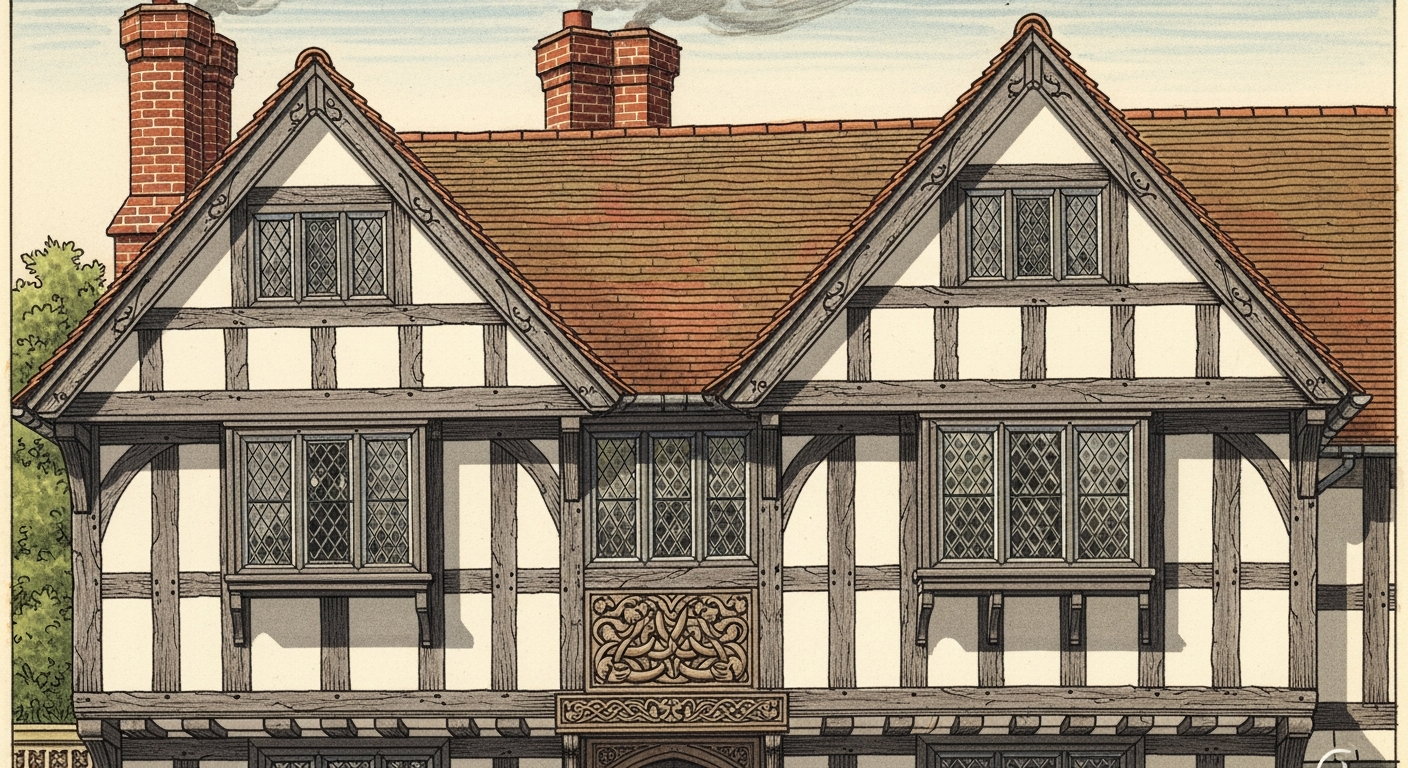
The physical transformation of Lavenham during this period was equally dramatic. The elaborate timber-framed houses that still line the town’s streets weren’t simply homes but statements of mercantile power. These buildings, with their intricate carved details and imposing scale, announced to visitors that they had entered a community where trade had created unprecedented prosperity. The Spring family’s own properties, including their magnificent mansion, represented the pinnacle of merchant architecture in Tudor England.
Significance and Impact
Lavenham’s wool-fuelled wealth had profound implications for Tudor society’s understanding of social hierarchy and economic power. Traditionally, wealth in medieval England was tied to land ownership and noble birth, but the success of clothiers like the Springs demonstrated that merchants could accumulate fortunes that rivalled those of established aristocratic families. This shift challenged conventional notions of social status and helped establish the foundation for England’s later emergence as a commercial empire.
The funding of Holy Trinity Church represents perhaps the most visible symbol of how merchant wealth was reshaping English communities. This magnificent structure, with its soaring tower and elaborate stonework, wasn’t built by royal decree or ecclesiastical mandate, but through the donations of successful clothiers who sought to demonstrate their prosperity and piety. The church served as both a spiritual centre and a monument to commercial success, embodying the complex relationship between faith, community, and capitalism in Tudor society.
The economic model pioneered in Lavenham also had significant implications for England’s emerging national identity. By processing raw wool into finished cloth rather than simply exporting fleeces, communities like Lavenham were adding value to English products and establishing the country’s reputation for quality manufacturing. This transition from raw material supplier to skilled producer would later prove crucial to England’s commercial expansion during the Age of Exploration and beyond.
Furthermore, the success of Lavenham’s clothiers created a ripple effect throughout the regional economy. The demand for skilled weavers, dyers, and finishers drew workers from across East Anglia, transforming not just Lavenham but the entire Suffolk cloth-making district. This concentration of expertise and capital established England’s textile industry as a major force in European commerce, laying the groundwork for the Industrial Revolution centuries later.
Connections and Context
Lavenham’s golden age coincided with crucial developments in Tudor politics and society that helped facilitate its success. Henry VII’s victory at Bosworth Field in 1485 brought political stability that encouraged trade and investment, while his economic policies actively promoted English cloth exports. The early Tudor monarchs recognised that a prosperous merchant class served royal interests by generating tax revenue and reducing dependence on foreign imports.
The town’s prosperity also intersected with broader changes in European fashion and lifestyle. The growing sophistication of continental courts created increased demand for high-quality English cloth, while the expansion of global trade networks opened new markets for Suffolk textiles. Lavenham’s clothiers were not merely local merchants but participants in an international economy that stretched from the Netherlands to the Mediterranean.
Interestingly, Lavenham’s success story paralleled similar developments in other English cloth-making centres such as the Cotswolds and parts of Yorkshire. Towns like Chipping Campden and Northleach also experienced dramatic growth during this period, suggesting that the transformation of Lavenham was part of a broader economic revolution that was reshaping rural England. However, few communities achieved the concentrated wealth that made Lavenham so exceptional.
The religious changes of the Tudor period also impacted Lavenham’s development. The dissolution of monasteries under Henry VIII disrupted traditional economic relationships, but the established wealth of communities like Lavenham helped them adapt to these changes more successfully than less prosperous areas. The strong financial foundation provided by the wool trade enabled Lavenham to weather political and religious upheavals that devastated other communities.
Modern Relevance and Fascinating Details
Walking through modern Lavenham offers visitors an extraordinarily well-preserved glimpse into Tudor commercial life. The Guildhall, now managed by the National Trust, still dominates the market square with its distinctive timber framing and carved details. Many of the merchants’ houses remain inhabited, creating a living museum where contemporary residents share their streets with buildings constructed by 16th-century clothiers. This preservation makes Lavenham one of England’s finest examples of a Tudor merchant town.
Archaeological investigations in recent years have revealed fascinating details about daily life during Lavenham’s golden age. Excavations have uncovered evidence of the sophisticated dyeing processes used by local clothiers, including remains of the expensive imported materials used to create the rich colours that made English cloth so desirable. These discoveries demonstrate that Lavenham’s success relied not just on raw materials and labour, but on technical expertise that placed local craftsmen at the forefront of textile innovation.
The town’s remarkable preservation has made it a favourite location for historical films and television productions. Productions ranging from ‘Harry Potter and the Deathly Hallows’ to numerous period dramas have used Lavenham’s streets to recreate historical England, testament to the authentic Tudor atmosphere that the cloth merchants’ investments created. This ongoing cultural relevance ensures that the story of Lavenham’s wool wealth continues to reach new audiences centuries after the Spring family’s heyday.
Did you know that the wealth generated by Lavenham’s cloth trade was so substantial that local merchants often served as informal bankers to the nobility? The Springs and other clothier families frequently lent money to aristocrats whose landed wealth was less liquid than merchant profits, effectively reversing traditional economic relationships and demonstrating how commerce was reshaping Tudor society’s power structures.
Conclusion
The transformation of Lavenham from a modest Suffolk village into England’s 14th richest town represents one of the most remarkable success stories in Tudor economic history. The wealth generated by the wool trade didn’t simply enrich individual merchants; it created a new model for English prosperity that relied on skill, innovation, and international commerce rather than traditional landed wealth. The magnificent buildings funded by clothiers like the Spring family continue to tell this story today, offering visitors tangible evidence of how trade could reshape entire communities within a generation.
As historians continue to study the Lay Subsidy Rolls and other primary sources preserved in The National Archives, Lavenham’s story provides valuable insights into the economic forces that were transforming England during the early Tudor period. For anyone interested in understanding how commerce, community, and culture intersected in medieval and early modern England, this Suffolk wool town offers an unparalleled example of prosperity, ambition, and lasting achievement that continues to inspire visitors more than five centuries later.